Rafael Hayes · 8 September 2026
Strategic Adaptations in Specialized Platforms During System-Wide Updates
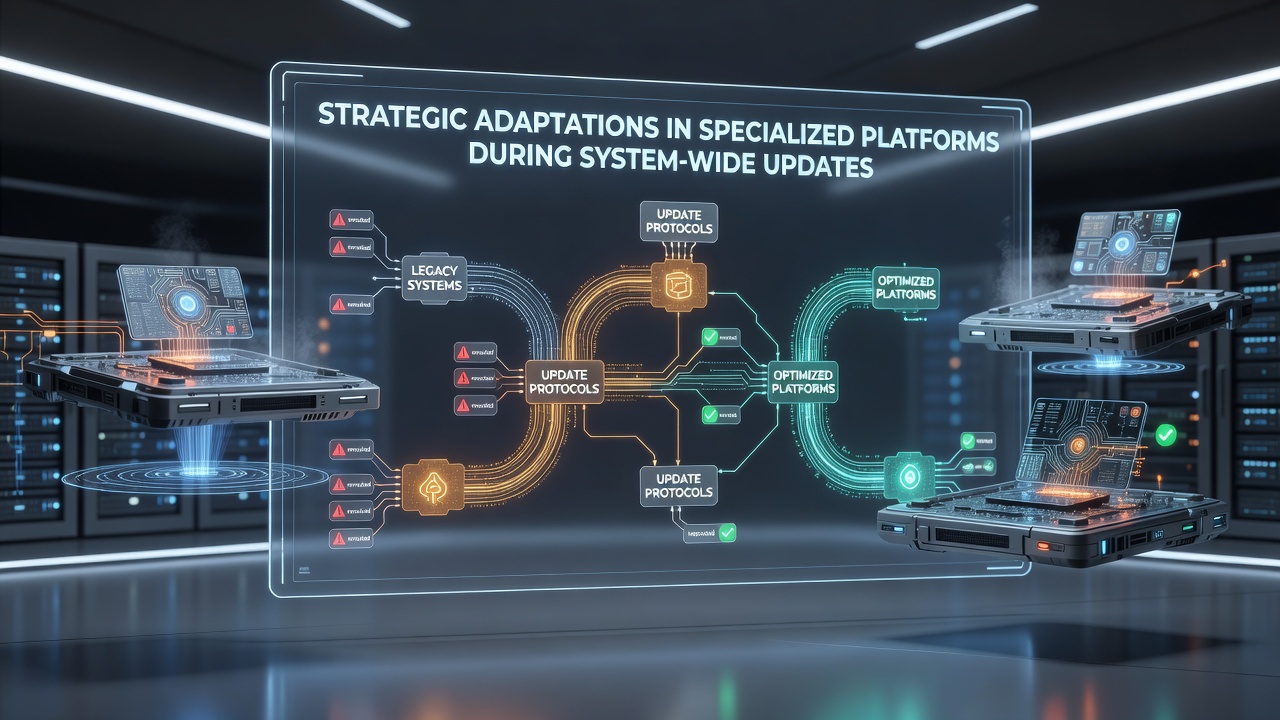
Specialized platforms across industries face system-wide updates that require coordinated changes to maintain operations, and these events often involve complex layers of software, data pipelines, and user interfaces all shifting at once. Organizations track patterns in how platforms handle such transitions, with data from multiple sectors showing that successful adaptations rely on pre-planned testing sequences and modular code structures that allow sections to update independently without halting entire systems. Researchers at institutions like the Massachusetts Institute of Technology have documented cases where platforms using containerized environments completed updates with minimal downtime because individual modules could be isolated and verified before full integration.
Core Challenges in Update Cycles
System-wide updates introduce risks such as compatibility breaks between legacy components and new features, while data migration errors can cascade across connected services if not contained early. Observers note that specialized platforms in finance and healthcare sectors encounter additional regulatory layers during these periods, requiring compliance checks at each stage rather than after completion. Studies from the National Institute of Standards and Technology indicate that platforms which segment their update processes into smaller phases experience fewer critical failures compared to those attempting simultaneous changes across all components.
Resource allocation becomes strained when teams must monitor both ongoing services and the update itself, and this dual demand often leads to extended timelines unless automation tools handle routine verification tasks. Those who have analyzed past rollouts point out that communication breakdowns between development and operations groups frequently amplify small issues into larger outages during these windows.
Adaptation Techniques Observed in Practice
Platforms employ rolling deployment strategies that introduce changes to subsets of users or servers first, allowing performance metrics to guide further expansion. This method pairs with feature flags that toggle new capabilities on or off without code redeployment, giving operators immediate control if unexpected behaviors emerge. Data shows that organizations integrating continuous monitoring dashboards detect anomalies within minutes rather than hours, which supports quicker rollbacks when needed.
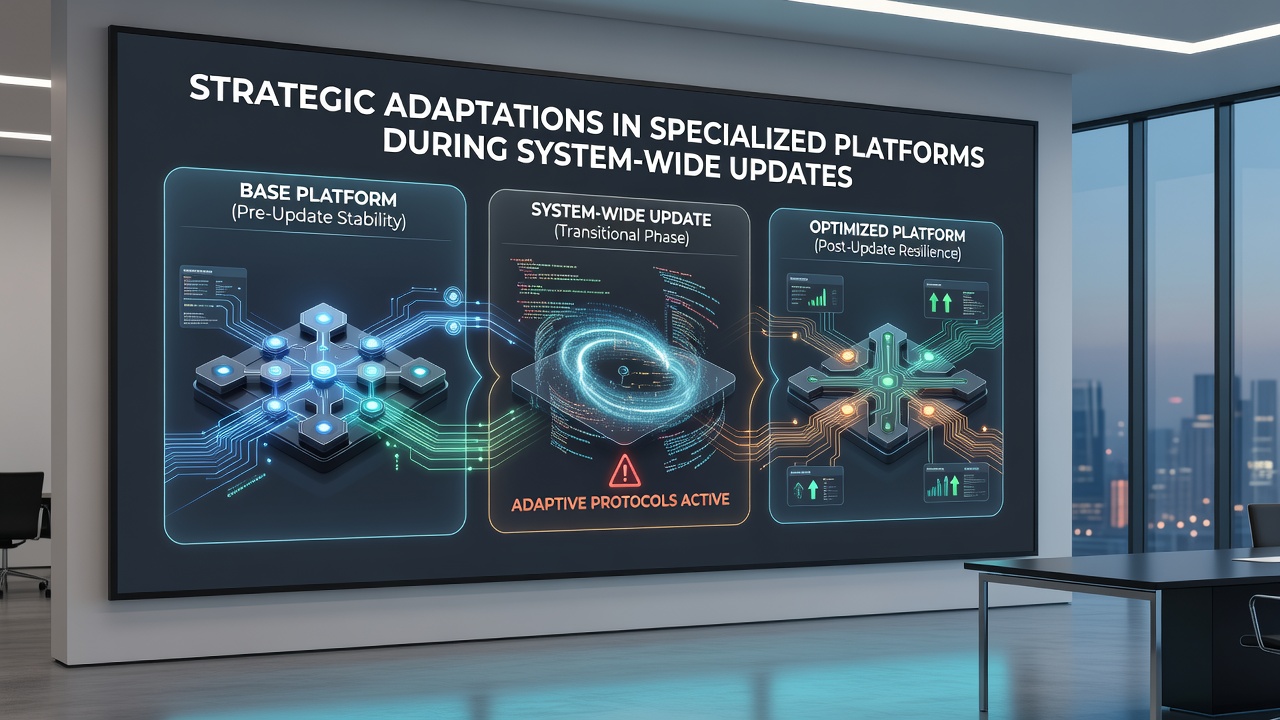
Backward compatibility layers serve as another key adaptation, where older APIs remain active alongside updated versions until dependent applications migrate. Experts have observed that platforms in logistics and supply chain management use these layers extensively because their partner ecosystems span multiple software generations. Automated testing suites run regression checks across historical datasets before any live traffic reaches new code paths, and this sequence reduces the chance of silent data corruption that might surface weeks later.
Regional Approaches and September 2026 Timelines
European platforms under ENISA guidelines have adopted standardized reporting protocols for update-related incidents, which creates shared datasets that smaller operators can reference when planning their own cycles. In contrast, Australian regulatory bodies emphasize pre-update simulations that model full traffic loads, and these exercises have informed platform designs that maintain service levels even when core databases shift. Plans for major system revisions scheduled around September 2026 incorporate lessons from these varied approaches, with several North American entities aligning their timelines to coincide with hardware refresh cycles that reduce overall migration costs.
Academic reviews of prior events reveal that platforms which incorporated user feedback loops during beta phases achieved higher adoption rates post-update, since interface adjustments could address real usage patterns rather than assumed ones. Industry reports from research groups like those affiliated with IEEE highlight the growing use of AI-driven anomaly detection that flags potential conflicts before they reach production environments.
Conclusion
Strategic adaptations in specialized platforms during system-wide updates center on phased implementations, compatibility safeguards, and integrated monitoring that together limit disruption. Evidence from standards bodies and academic sources demonstrates measurable improvements in stability when these elements combine, while regional differences in regulatory emphasis continue to shape specific tactics. As preparations advance toward events in September 2026, platforms that refine these methods stand to handle the next generation of updates with greater precision and fewer interruptions.